
Fine-Tuning Morecambe's Tactics: A Path to Consistency
As Morecambe navigates the ebb and flow of the National League, their recent form has presented a mixed bag of results that leaves fans both hopeful and frustrated. While there have been glimpses of brilliance, inconsistency has crept into the Shrimps' performances, indicating that tactical adjustments could enhance their effectiveness on the pitch. In this analysis, we’ll delve into the current tactics employed by Morecambe and suggest some adjustments that could help the team find the consistency they need to climb the league table.
Current Tactical Landscape
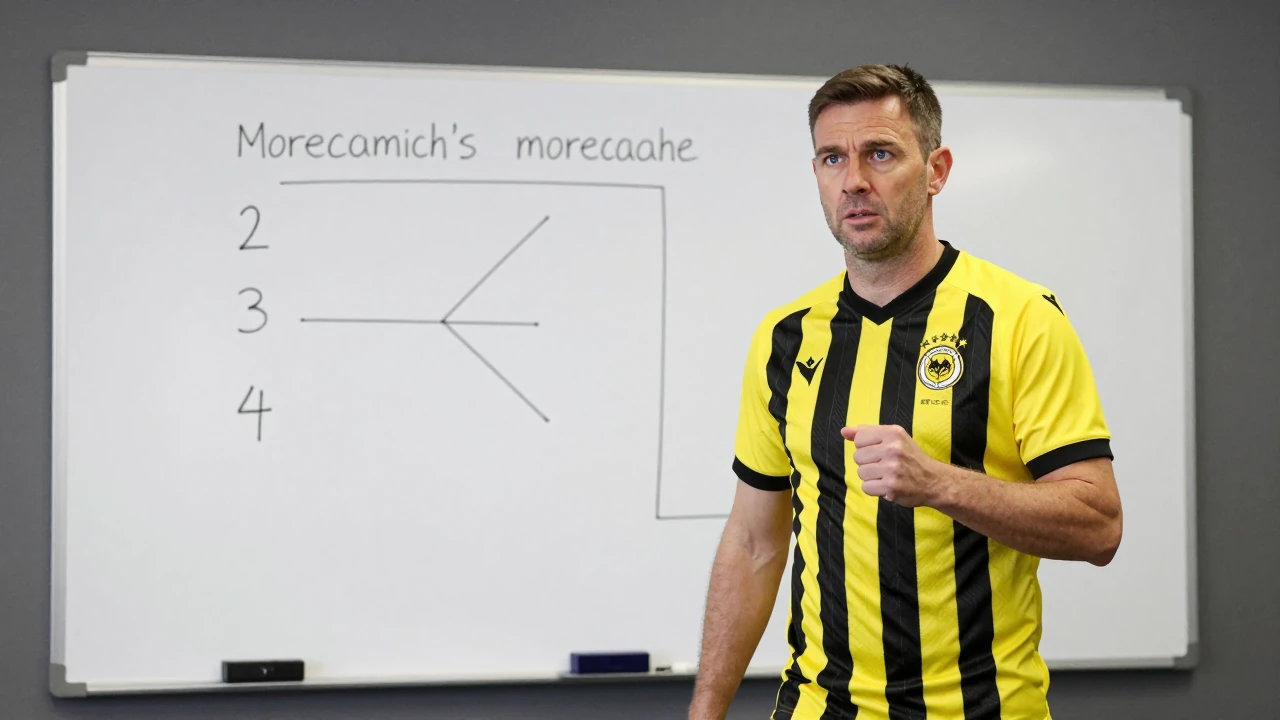
Morecambe's style of play has often revolved around a flexible 4-2-3-1 formation, which provides a solid foundation defensively while allowing for creative freedom in attack. The two holding midfielders have been vital in breaking up opposition plays and transitioning the ball forward. However, the reliance on a single focal point in attack has stifled the team's ability to capitalize on goal-scoring opportunities, resulting in matches where possession dominance does not translate into meaningful chances.
Defensive Solidity with an Attacking Flair
Defensively, Morecambe has shown resilience, particularly with the likes of J. Blackman commanding the box and the centre-backs forming a robust partnership. However, the full-backs have sometimes been caught too high up the pitch, leaving gaps that opponents can exploit on the counter. A potential tweak here could involve instructing the full-backs to hold their positions more conservatively, especially against teams known for their quick transitions. This adjustment would allow the midfielders to drop back, creating a more compact shape when out of possession and making it harder for opposing teams to break through.
Increasing Offensive Variability
On the offensive side, while the central attacking midfielder plays a crucial role in linking play, there is a pressing need for more dynamism in the final third. Morecambe could benefit from incorporating wider play, utilizing the wings to stretch the opposition and create space for both the forwards and midfielders to exploit. By encouraging wingers to cut inside and take on defenders, or by allowing overlapping runs from the full-backs, Morecambe can diversify their attacking threats and create more goal-scoring opportunities.
Pressing with Purpose
Moreover, the pressing game could be more effective if applied with a more coordinated approach. Currently, pressing feels sporadic, with players engaging opponents at different times, which can lead to disorganization. A more cohesive pressing strategy-where players work in unison to force mistakes-could turn possession in Morecambe's favour. This would also energize the team and engage the passionate Mazuma Stadium crowd, creating an intimidating atmosphere for visiting teams.
Midfield Dynamics
The midfield has seen flashes of brilliance, particularly with the involvement of players like M. Azeez, but there is room for improvement in how they balance attacking duties with defensive responsibilities. Tweaking the roles of the midfield duo to allow for one player to push higher while the other holds could help in maintaining a solid structure while still providing support in attack. This balance is crucial in ensuring Morecambe can transition quickly from defence to attack, catching opponents off guard.
Conclusion: A Tactical Path Forward
In conclusion, while Morecambe has shown potential in their recent outings, a few tactical tweaks could significantly enhance their performance. By solidifying their defensive shape, increasing their offensive variability, and adopting a more coordinated pressing strategy, the Shrimps can harness their talent and transform it into tangible results. Fans at Mazuma Stadium will surely be hoping for a more consistent display as the season progresses, and with these adjustments, Morecambe could become a formidable force in the National League.