 Morecambe Hub
Introduction
Morecambe FC, known affectionately as The Shrimps, has had a mixed bag of results in the National League this season. While their attacking prowess has shown glimpses of brilliance, the defensive frailties have often left fans with a sense of unease. As we delve into the tactical analysis of recent form, it becomes clear that a few key adjustments could help Morecambe shore up their defence and enhance their chances of climbing the table.
Current Defensive Setup
At present, Morecambe employs a back four that occasionally resembles a back three when the wing-backs push forward. This approach allows for width in attack but has exposed the team to counter-attacks, especially when the wing-backs are caught out of position. The central defenders, though competent individually, have struggled with communication and positioning, often leaving gaps for opposing attackers to exploit.
Defensive Tweaks to Consider
1. Reassessing the Wing-Backs: Instead of committing both wing-backs forward, it may be beneficial to have one stay back, particularly against teams that are known for their pace on the counter. By adopting a more conservative approach, Morecambe can maintain defensive solidity while allowing the other wing-back to support attacks when the opportunity arises.
2. Implementing a Zone Marking System: Currently, the defenders often engage in man-marking, which can lead to confusion during set pieces and crosses. Transitioning to a zonal marking system could help establish clearer responsibilities and reduce the risk of losing track of attackers in crowded situations. This approach would require disciplined positioning and communication but could greatly enhance defensive stability.
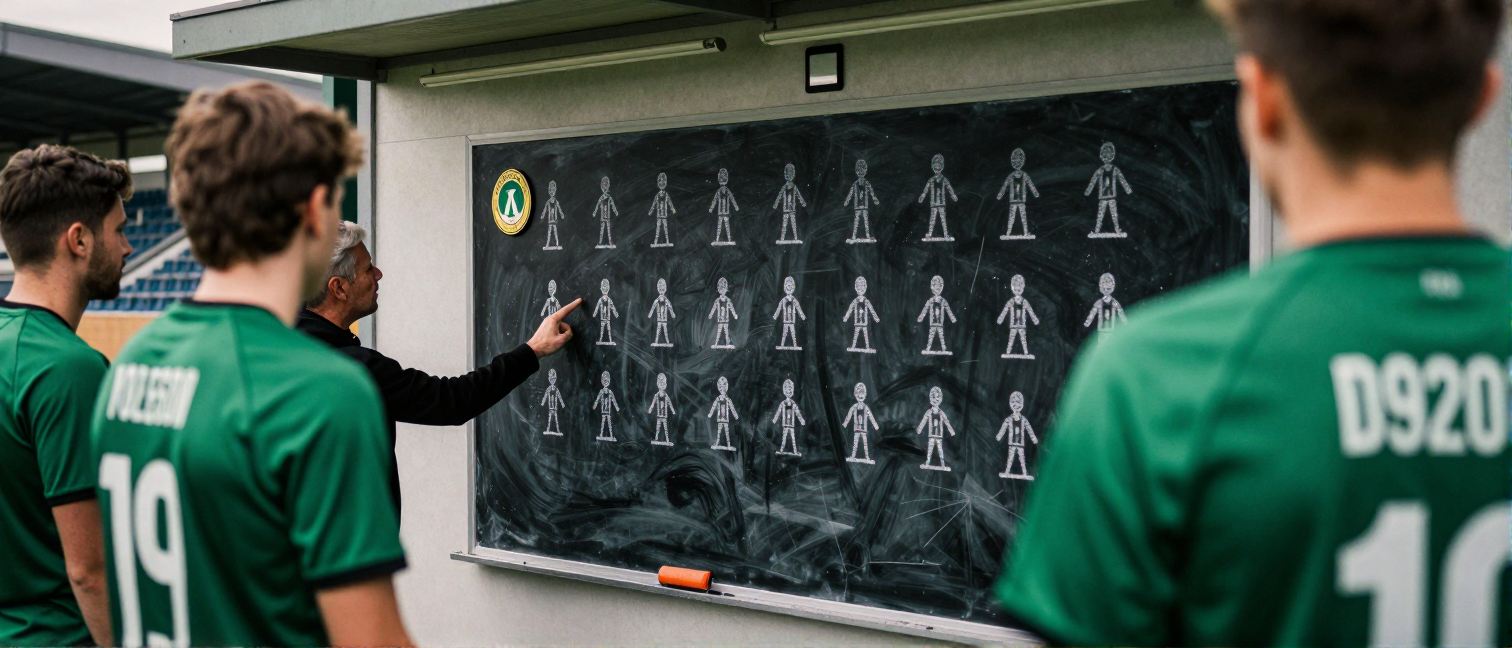
3. Midfield Support: The midfielders need to play a more significant role in defensive duties. By instructing central midfielders to drop deeper when the team is under pressure, Morecambe can create an extra layer of protection in front of the backline. This not only helps in breaking up opposition attacks but also aids in transitioning quickly from defence to attack.
4. Utilising a Sweeper: If the squad depth allows, introducing a sweeper behind the centre-backs could alleviate some pressure. This player would be responsible for intercepting balls that bypass the defensive line and could help in organizing the backline during moments of chaos. A sweeper would also have the freedom to contribute to build-up play from the back, enhancing the team’s overall fluidity.
Importance of Communication
No tactical tweak will yield results without effective communication on the pitch. Encouraging players to vocalize their intentions can significantly reduce defensive errors. Establishing a clear leader in defence will help in organizing the backline and ensuring that all players are aware of their roles during set pieces and transitions.
Conclusion
Morecambe FC has the potential to turn their season around with a few tactical adjustments, particularly in their defensive setup. By reassessing the role of wing-backs, considering a shift to zonal marking, enhancing midfield support, and possibly introducing a sweeper, The Shrimps can create a more resilient backline. As we look forward to the upcoming matches, it will be intriguing to see if the management takes these tactical insights on board to bolster Morecambe’s chances in the National League.