 Morecambe Hub
Morecambe FC, affectionately known as The Shrimps, has been navigating through the ups and downs of the National League with a blend of determination and skill. Recent performances have showcased flashes of brilliance, but a deeper tactical analysis reveals some areas for improvement that could propel the team further up the table.
Current Form and Tactical Framework
The Shrimps have generally adopted a 4-3-3 formation, which allows for dynamic attacking play while maintaining a solid midfield presence. This formation has worked well in creating width and enabling wingers like G. Edwards to exploit space on the flanks. However, the lack of consistent finishing in the final third has hindered the team from converting chances into goals. Additionally, defensively, the team has shown vulnerability on the counter-attack, particularly against teams that press aggressively.
Suggested Tactical Tweaks
1. Midfield Reinforcement: While the current midfield trio provides balance, introducing a more defensive-minded midfielder could offer additional protection to the backline. A player like M. Azeez, known for his ball recovery skills, could be deployed as a holding midfielder, allowing the other two to advance more freely. This would not only solidify defensive efforts but also enable smoother transitions from defense to attack.
2. Wing Play Optimization: The attacking width is crucial for Morecambe, yet the current setup sometimes leads to isolated wingers. To enhance wing play, encouraging full-backs to overlap consistently could stretch the opposition’s defense. This tactical nuance could create more one-on-one opportunities for the wingers while also providing additional crossing options into the box.
3. Utilizing a Target Man: Experimenting with a target man upfront could be beneficial, especially in games where possession is contested. By deploying a player with physicality and aerial prowess, Morecambe could change their attacking dynamic, making it easier to hold up play and bring midfielders into the attack. This would also relieve some pressure from the wingers, who often face double marking.
4. Adjusting Defensive Shape: The current defensive line sometimes pushes too high, leaving gaps that agile forwards can exploit. Adjusting the defensive line to play deeper, particularly against teams renowned for their pace, would mitigate the risk of counter-attacks. A compact formation in the defensive phase can help absorb pressure while allowing for swift transitions when winning back possession.
Conclusion
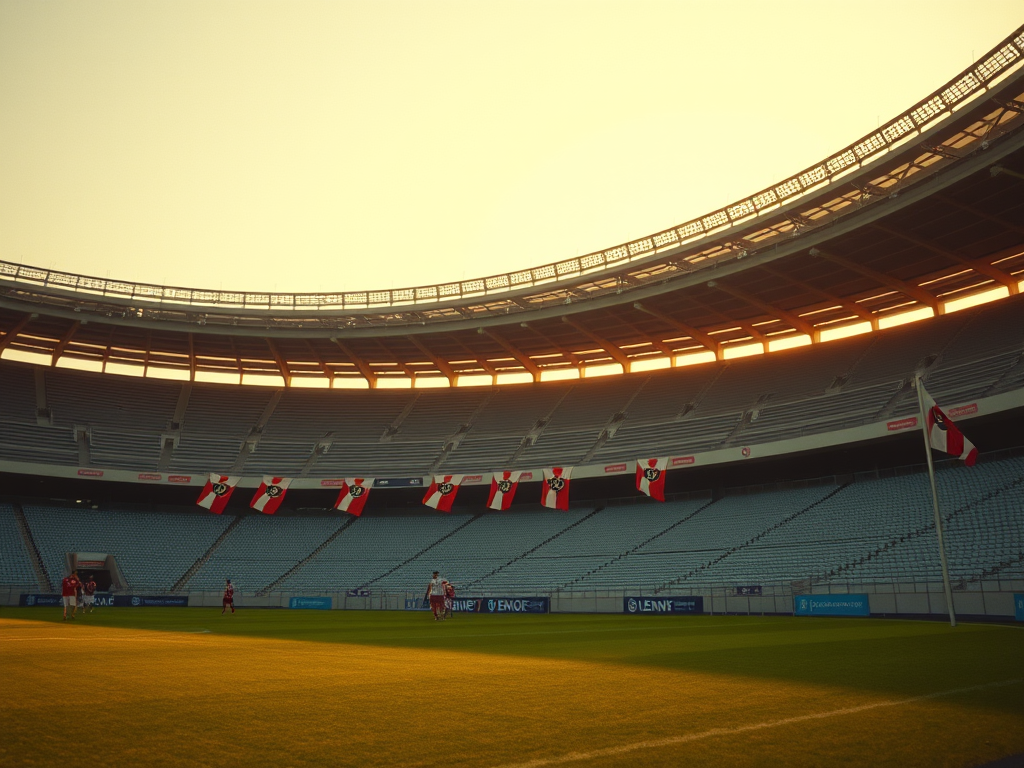
The potential for Morecambe to climb the league table is palpable, but it hinges on fine-tuning their tactical approach. By implementing these suggested tweaks, The Shrimps can not only improve their defensive stability but also enhance their attacking efficiency. With the right adjustments, Morecambe could transform their performances into consistent results, pushing them towards their season objectives at Mazuma Stadium. The supporters are eager to see how these strategies manifest in upcoming matches, as the campaign unfolds in the National League.